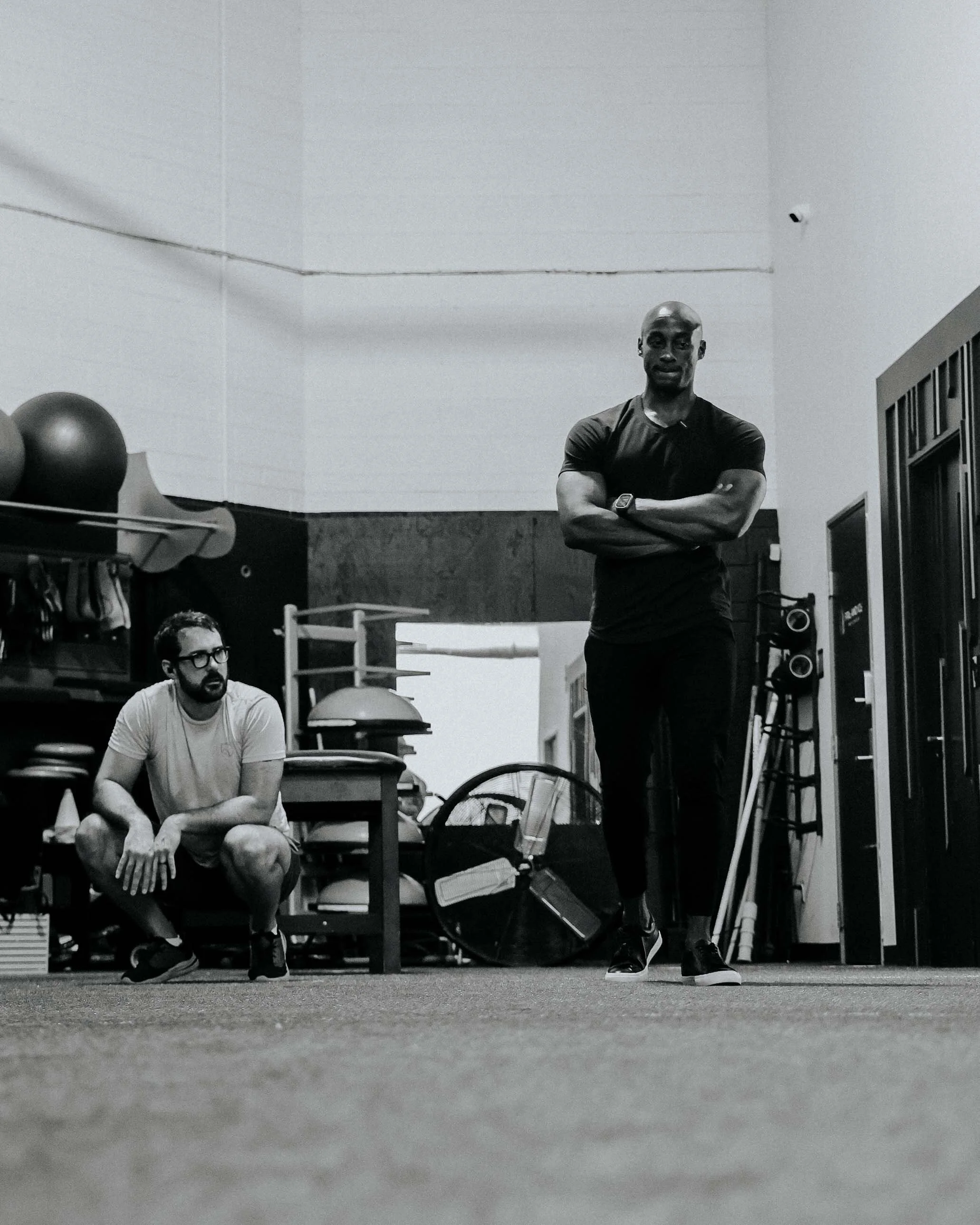
Most men over 40 who walk into a gym believe the same thing: if results have stalled, the answer is more. More days, more sets, more sweat. I see it every month with new clients. They're training five or six days a week, they're sore all the time, and they look the same as they did a year ago.
When progress stalls after 40, more training is rarely the fix. Better recovery from less training usually is.
You don't grow in the gym
Training is the signal. Recovery is where the muscle gets built. In your twenties you could get away with poor sleep, a few drinks and six hard sessions a week. Add a demanding job, a family, travel and 20 more years, and your ability to recover from hard training shrinks. The workload that built you at 25 can bury you at 45.
The signs you're doing too much
Your lifts haven't gone up in two months.
You're sore almost every day.
Your joints ache more than your muscles.
You sleep badly on training days.
You dread sessions you used to look forward to.
If three or more of those sound familiar, the answer is almost never another session.
What I prescribe instead
For most executives I coach, the sweet spot is three strength sessions a week, 45 minutes each, built around a squat, a hinge, a push and a pull. Each muscle group gets roughly 10 to 15 hard sets a week, which is enough to grow on according to the research on training volume, and recoverable for someone running a company.
Train hard on the days you train. Most sets should finish one to three reps short of failure.
Walk on the days you don't. 7,000 to 10,000 steps keeps you moving without digging into recovery.
Track your lifts. If the numbers go up every few weeks, it's working. Don't add more until they stop.
Take an easy week every 6 to 8 weeks. Same exercises, about half the sets.
Less isn't lazy
Training less isn't about being soft. Three sessions you fully recover from will beat six you drag yourself through. David came to me having never really worked out. In 16 weeks of private coaching he gained 10.8 pounds of muscle while losing 7.4 pounds of fat, verified by DEXA. He didn't need six days a week. He needed the right volume, done consistently.
What a week of training less looks like
Monday: strength. Squat, push, pull, plus a short finisher.
Tuesday: walk. 30 to 45 minutes, or 8,000 to 10,000 steps across the day.
Wednesday: strength. Hinge, push, pull, carry.
Thursday: walk, plus some easy mobility work.
Friday: strength. Single-leg work, push, pull, short conditioning.
Weekend: something active you enjoy. Golf, a hike, time outside with your kids.
That's about two and a quarter hours of lifting a week. Most of my clients make more progress on this than they did on six days, because they actually recover between sessions.
Why the "more" mindset fails executives
Executives are used to solving problems by working harder. In business, that often works. In training, it usually backfires. Your body doesn't care how disciplined you are. It cares whether it can recover from the stress you put on it, and your job, your travel and your short nights are already stress.
Think of recovery like a budget. Work, family and travel spend most of it before you get to the gym. If you spend more on training than you have left, you go into debt. Joint pain, stalled lifts, bad sleep and constant fatigue are the interest payments.
How to cut back without losing progress
Keep the heavy lifts. Drop the extra accessory work first.
Cut sets, not effort. Fewer hard sets beat lots of easy ones.
Turn two training days into walking days.
Run it for eight weeks and track your lifts. If they go up, you've proven it to yourself.
When more might make sense
If you're sleeping well, eating enough, recovering fully between sessions, and your lifts have still stalled for months, a fourth session can help. But that's the exception, not the starting point. Earn the extra day by showing you can recover from three.
Frequently asked questions
Will I lose muscle if I train less? Not if you keep training hard on the days you train. Most people hold or build muscle on three well-planned sessions a week.
Is soreness a sign of a good workout? No. Some soreness is normal, but being sore all the time usually means you're doing more than you can recover from.
How do I know if I'm recovering? Your lifts go up, you sleep well and you look forward to training. If those slip, cut back.
The two-month test
If you're skeptical, run this experiment. For eight weeks, train three days a week instead of five or six. Keep the same main lifts, keep the effort high, and walk on the other days. Write down every set. At the end, compare your numbers to the eight weeks before. Most of the men who try it are surprised. Their lifts go up, their joints feel better, and they have more energy for work and family. Then we get a DEXA scan and see what the body did with the extra recovery.
A plan built around you
For coaching built around your goals and schedule, start a conversation with Akram. Together, you can discuss your starting point, assess fit, and explore your next step. Coaching investment is discussed privately.
Related reading
References
About the author
Akram Hameed is the founder of Body By Akram and an executive fitness coach in Scottsdale, Arizona. Since 2019, he has coached CEOs, entrepreneurs, and professionals who want their health and physical capabilities to reflect the standards they bring to the rest of their lives. A Certified Personal Trainer, Certified Nutritionist, and Strength and Conditioning Coach, he combines training with nutrition, habit formation, behavior change, and personal accountability. His approach includes Proteus strength and power testing and DEXA body composition scans. For clients exploring hormone optimization, he coordinates physician-reviewed blood work. Follow him on Instagram.
This article is general education, not medical advice. Check with your doctor before starting a new training, nutrition or supplement plan.