The 3 Numbers Every CEO Should Know About Their Health
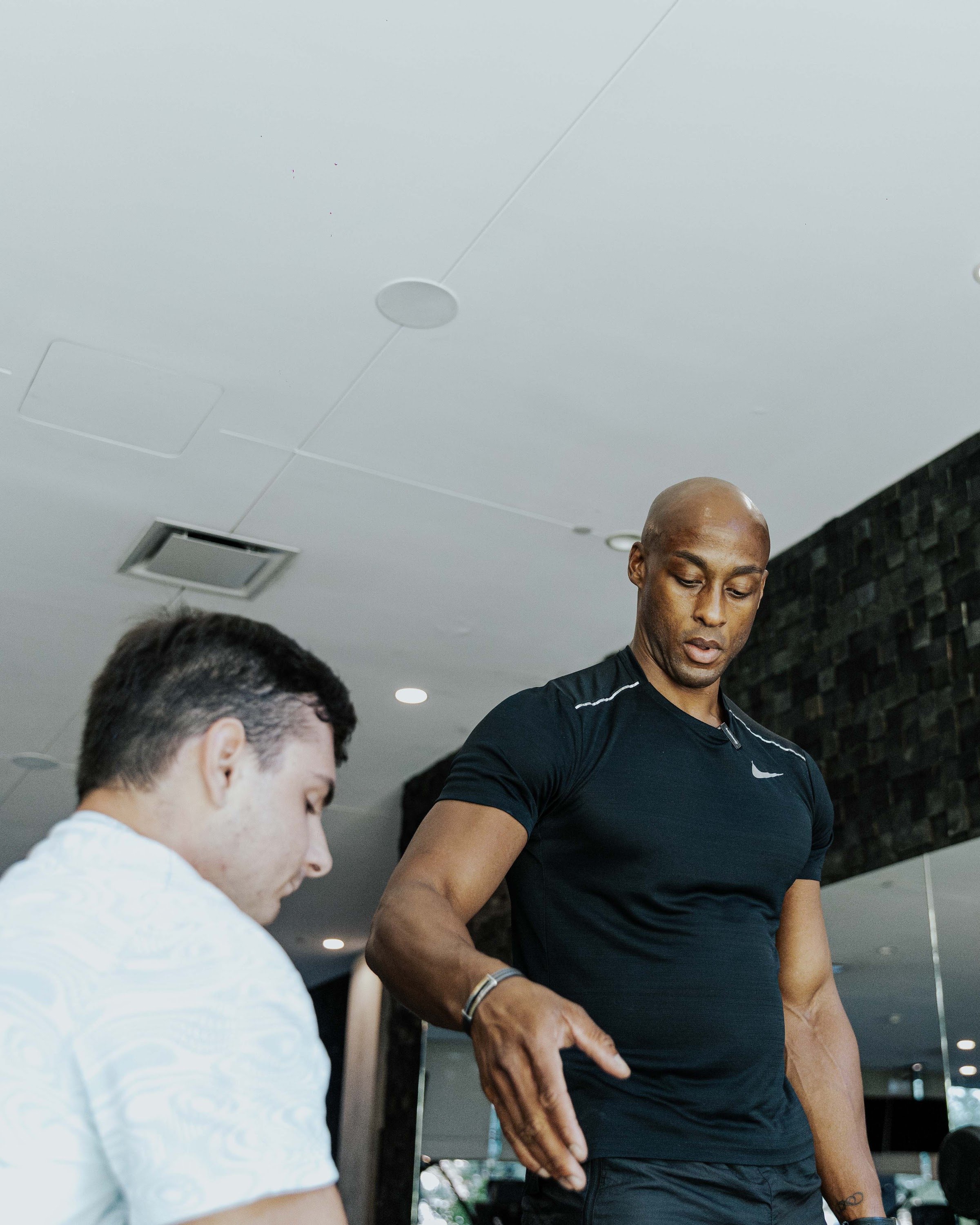
You wouldn't run your company on gut feel. You'd look at revenue, margin and cash. Most executives run their bodies on a bathroom scale and how their pants fit. That's like judging a business by its headcount.
When a new client starts with me, I measure three numbers before we change anything. They tell me far more than body weight ever will.
1. Body fat percentage
How much of your weight is fat. Two men can both weigh 200 pounds, one at 15% body fat and one at 30%. Same scale reading, completely different health picture.
I measure it with a DEXA scan, which also shows where the fat sits, including visceral fat, the deeper fat around your organs. That's the number I watch most closely, because it's the fat most closely tied to long-term health problems.
2. Lean mass
Everything that isn't fat or bone, mostly muscle. Muscle is what keeps you strong, mobile and independent as you age, and it's a big part of how your body handles the food you eat.
This is the number most diets quietly destroy. If you lose 20 pounds and 8 of it is muscle, you're not better off. A DEXA scan tells us whether what you lost was fat or muscle, so we can adjust before it costs you.
3. Resting metabolic rate (RMR)
How many calories your body burns at rest. Online calculators guess at this. An RMR test measures it from your breathing. When I know your real RMR, I can set a calorie target that actually fits you, instead of a formula that might be off by several hundred calories a day.
Why not just the scale?
Because the scale can't tell good change from bad. David gained 10.8 pounds of muscle and lost 7.4 pounds of fat in 16 weeks. On the scale he gained about 3 pounds. On his DEXA scan his body changed completely. If he'd judged it by the scale, he might have quit.
How often to measure
DEXA: at the start, then every 12 to 16 weeks. Testing more often mostly picks up noise.
RMR: at the start and after a big change in weight.
In between: your lifts, your waist measurement and progress photos.
What these numbers won't tell you
They're not a full health check. They don't replace blood work, blood pressure or a visit to your doctor. And DEXA results can shift a little with hydration and testing conditions, so test under the same conditions each time: same time of day, same routine beforehand.
But for anyone serious about changing their body, these three numbers turn guesswork into a plan. Every result on my results page is backed by them.
What a DEXA scan is like
It's quick and easy. You lie on a table in light clothing for about 7 to 10 minutes while a scanner arm passes over you. No needles, nothing to feel. The radiation dose is very low, a fraction of a standard X-ray. My clients get scanned at DexaFit in Scottsdale, and the report shows body fat percentage, lean mass, bone density and visceral fat, broken down by region.
How I use the numbers
These numbers shape every plan I write:
Body fat tells me how much of a priority fat loss should be.
Lean mass tells me whether we need to focus on building muscle first.
RMR tells me how much to eat so we can lose fat without losing muscle.
Visceral fat tells me how much health risk we're working with.
Then every 12 to 16 weeks, we scan again and see what moved. If lean mass is climbing and fat is falling, we keep going. If something's off, we change the plan based on the data, not a guess.
Why executives like this approach
Executives are used to dashboards. They want to know what's working, what isn't and what to change. That's what these numbers give them. Instead of "I think I'm doing better," they get a report showing exactly what changed in their body over the last quarter. It turns fitness into something they can manage like the rest of their business.
What good numbers look like
There's no single perfect number. What matters most is the direction your numbers are moving. In general, I want to see lean mass holding steady or going up, body fat and visceral fat going down, and RMR staying stable while you lose fat.
Frequently asked questions
Is a smart scale accurate enough? Smart scales can show trends, but they're far less accurate than DEXA for body fat and lean mass.
Do I need to prepare for a scan? Test under similar conditions each time: same time of day, similar hydration, and no workout beforehand.
Can I get these numbers without a coach? Yes. Anyone can book a DEXA scan. A coach helps you turn the numbers into a plan and keep adjusting it.
Start with a baseline
The most valuable scan is the first one. Without a baseline, you have nothing to compare against, and every future change is a guess. Even if you're not ready to change anything yet, get the numbers. When you do start, you'll know exactly where you began and exactly how far you've come. Every client of mine starts the same way: scan first, then plan.
Work with me
I coach a small number of executives one-on-one in Scottsdale, with DEXA scans to measure every change. If you want a plan built around your schedule, book a $99 Executive Performance Audit. You'll get a full strength, conditioning and mobility assessment and a personalized 7-day plan.
Related reading
What a DEXA Scan Shows, and Why Every Executive Should Get One
David’s Case Study: +10.8 lb Muscle, −7.4 lb Fat in 16 Weeks
References
About the author
Akram Hameed is an executive fitness coach in Scottsdale, Arizona, and the founder of Body by Akram. He is a Certified Personal Trainer, Certified Nutritionist and Strength and Conditioning Coach with a background in competitive kettlebell sport. Every client result he publishes is verified by DEXA scan. Follow him on Instagram.
This article is general education, not medical advice. Check with your doctor before starting a new training, nutrition or supplement plan.
